

Metautism
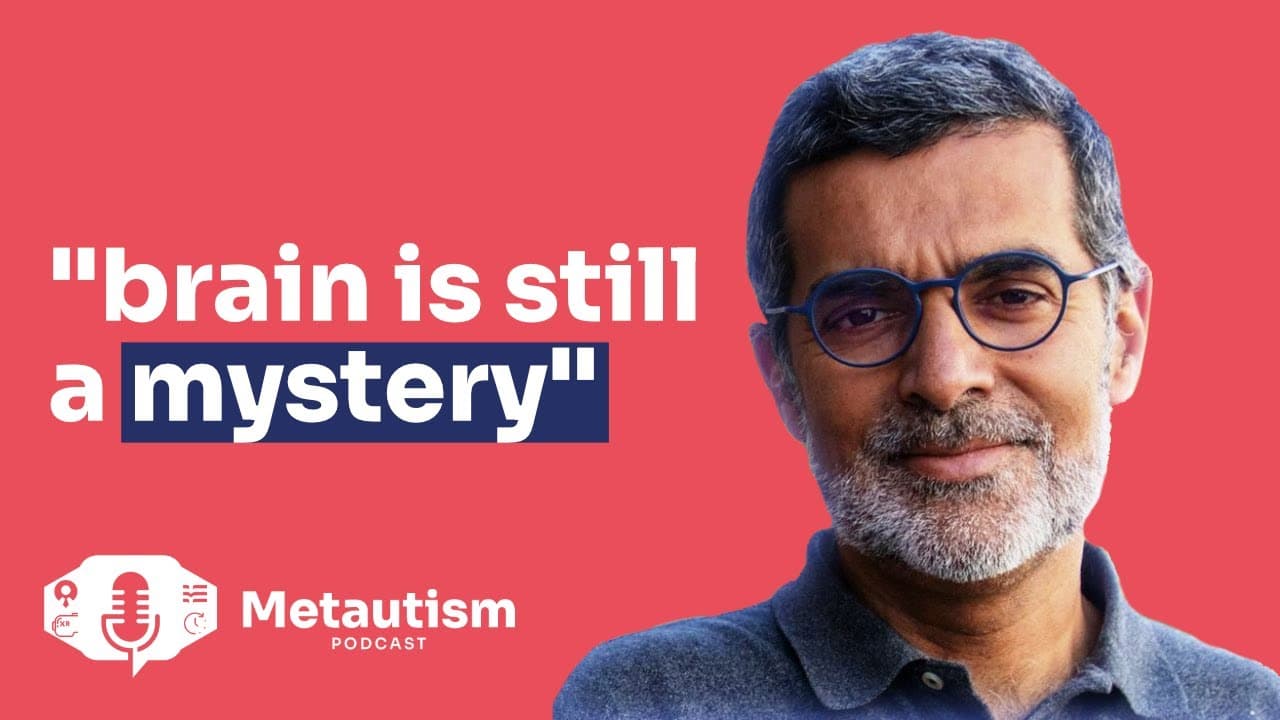
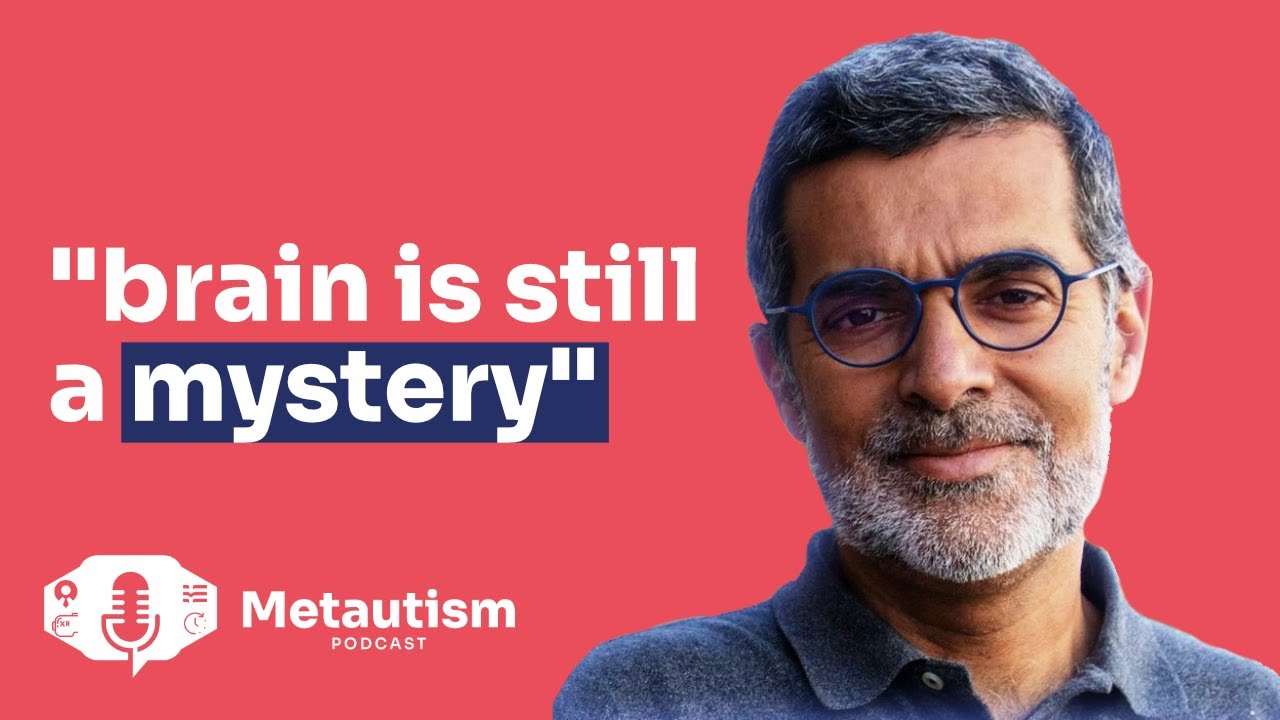
Serious Games For Training Cognitive Development with Miguel Castelo-Branco · Metautism Podcast #7
04.07.2024
19:58
Pogledajte video ispod ili slušajte kao audio
Opis epizode
Miguel Castelo-Branco, neuroscientist, researcher and Professor at the Faculty of Medicine at the University of Coimbra, gives us an insight into his 30+ year-long career and the progress he saw over the years when it comes to the human brain.
He shares the clinical trials they do, the importance of serious games that help people on the autism spectrum in their daily lives like in public transportation or while cooking, as well as the challenges that come with it.
Lastly, he gives his perspective as a father of young adult on the autism spectrum and how to "do it all" since Miguel holds many positions that help progress both the science and life of people on the autism spectrum and their families.
1:04 Guest introduction
2:43 How neuroscience changed over the last 30 years
4:24 Research Miguel is the most proud of
6:28 Importance of clinical trials
15:33 Miguel's relationship with his son
18:41 Importance of motivation
_ _ _ _ _ _ _ _ _ _ _ _ _ _ _ _ _ _ _ _ _ _ _ _ _ _ _ _ _ _ _ _ _ _
Don’t miss the next episode. Subscribe to our channel: https://youtube.com/@metautism?sub_confirmation=1
Connect with Miguel: https://www.linkedin.com/in/miguel-castelo-branco-1a27aa15/?originalSubdomain=pt
https://web.facebook.com/FederacaoPortuguesaAutismo
Follow Green ASC VET project, a parent initiative behind the Metautism podcast:
https://facebook.com/metautism
https://linkedin.com/showcase/metautism/
https://www.instagram.com/metautism.eu
Listen on Spotify: https://open.spotify.com/show/0lJSuae5W3S4BmB4ea4a7W
Producer and host: Klara Tuličić, Tenkai
https://linkedin.com/in/klara-tulicic/
_ _ _ _ _ _ _ _ _ _ _ _ _ _ _ _ _ _ _ _ _ _ _ _ _ _ _ _ _ _ _ _ _ _
© Green ASC VET / Metautism
*Funded by the European Union. Views and opinions expressed are however those of the author(s) only and do not necessarily reflect those of the European Union or the European Education and Culture Executive Agency (EACEA). Neither the European Union nor EACEA can be held responsible for them.